


If you’re looking for a wholesome homemade bagel that’s higher in protein and fibre, this recipe is a lovely one to keep on hand. Made with eggs, plant-based yoghurt, Eiravee fibre blend and a little gluten-free plain flour, the dough produces beautifully soft bagels with a satisfying texture and a lightly golden crust.
The recipe is straightforward, but allowing the dough to rest and prove properly makes all the difference. After a short initial rest, the dough becomes much easier to handle and can be shaped into traditional bagels or simple bread rolls. Before baking, you can leave them plain or brush them with egg and add your favourite seeds for a little extra crunch.
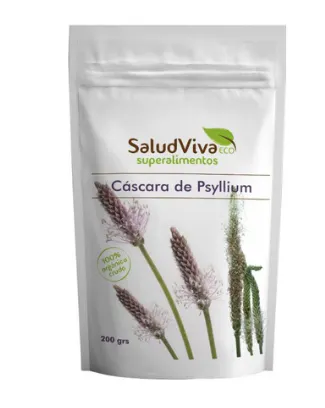
One particularly important step is allowing the baked bagels to cool completely before slicing. The fibre blend contains psyllium husk, which continues to absorb moisture as the bagels cool. Cutting into them too early can make the centre look underbaked or slightly gummy, even when they’ve been baked for the correct amount of time.
Once completely cool, they’re ready to slice and fill with whatever you fancy. Try them toasted with your favourite spread, use them for breakfast sandwiches, or fill them with savoury ingredients for an easy lunch. They also keep well in the fridge and freeze beautifully, so they’re ideal for making ahead.


About the ingredients used in this recipe
Eggs
In this recipe we use medium eggs (UK size M). Using the same egg size helps keep the texture and structure of the baked goods consistent.
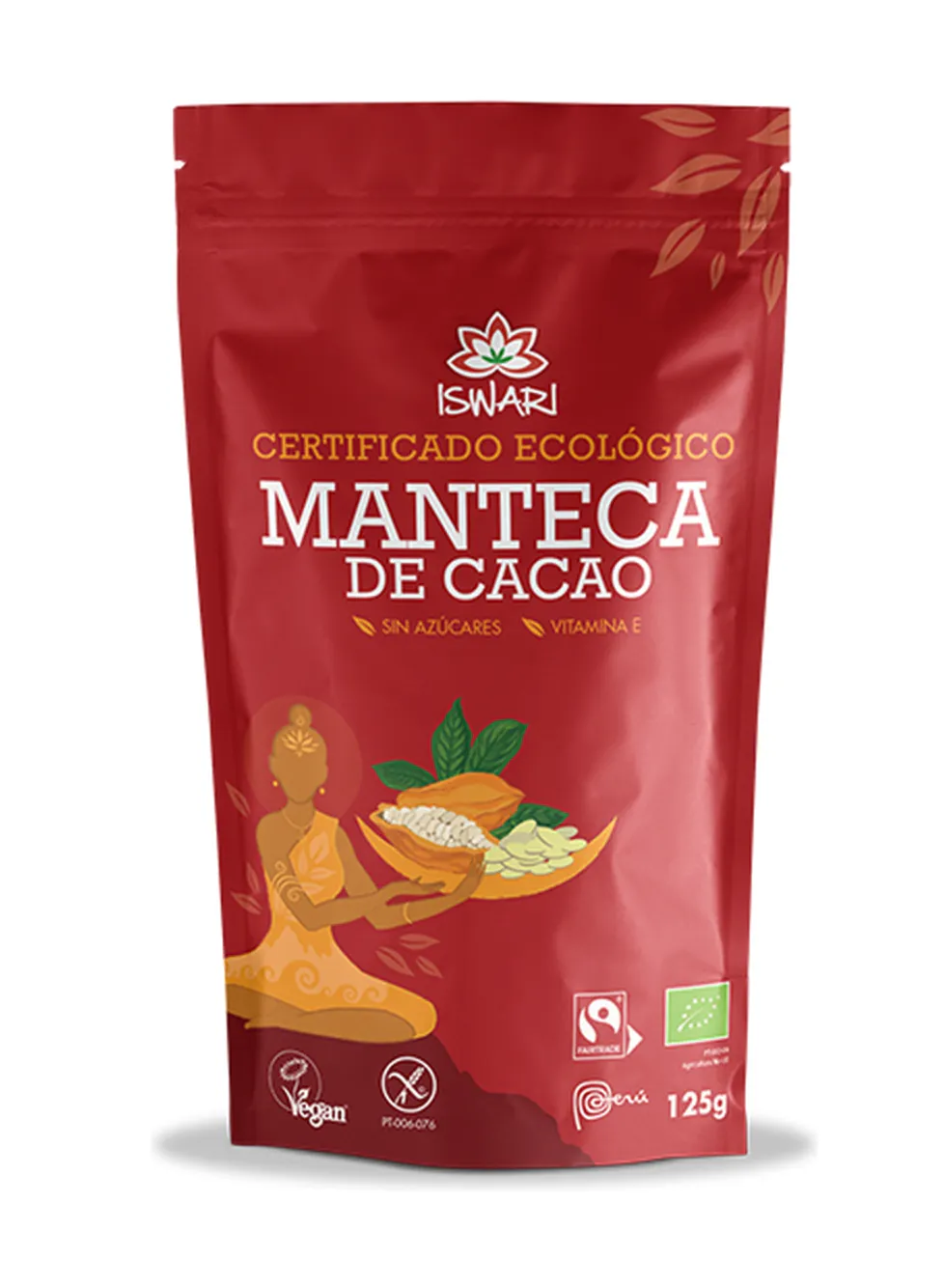
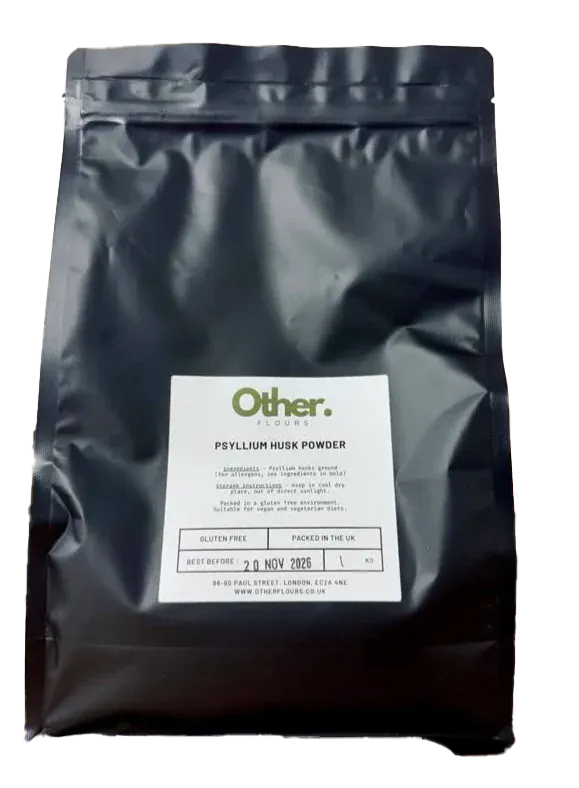
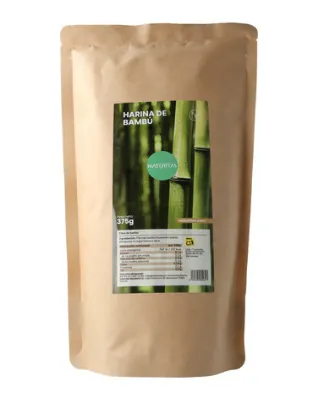
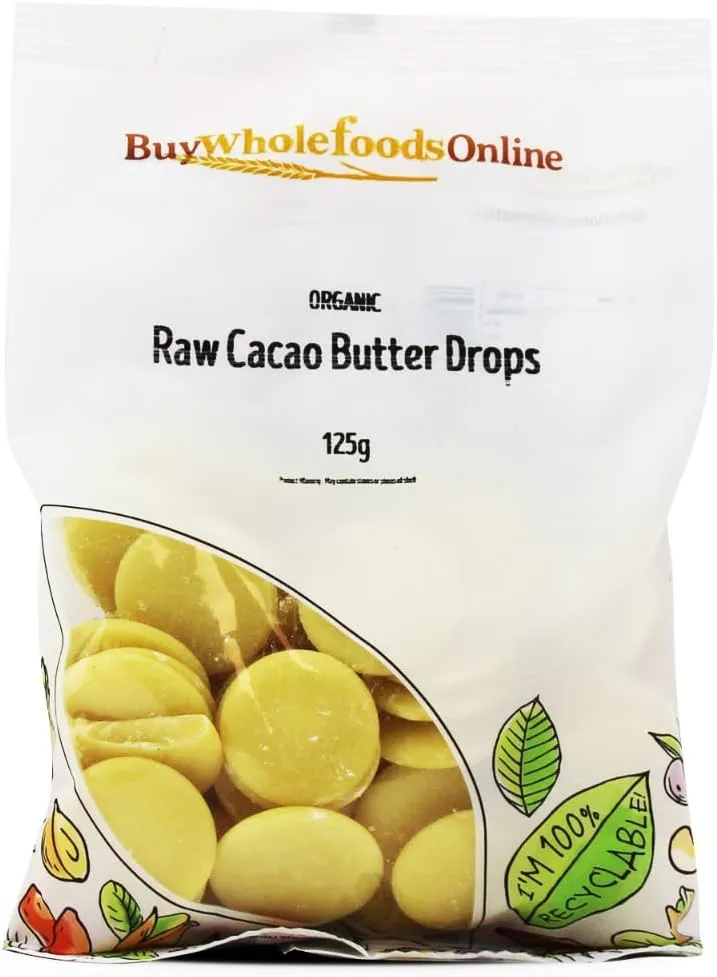
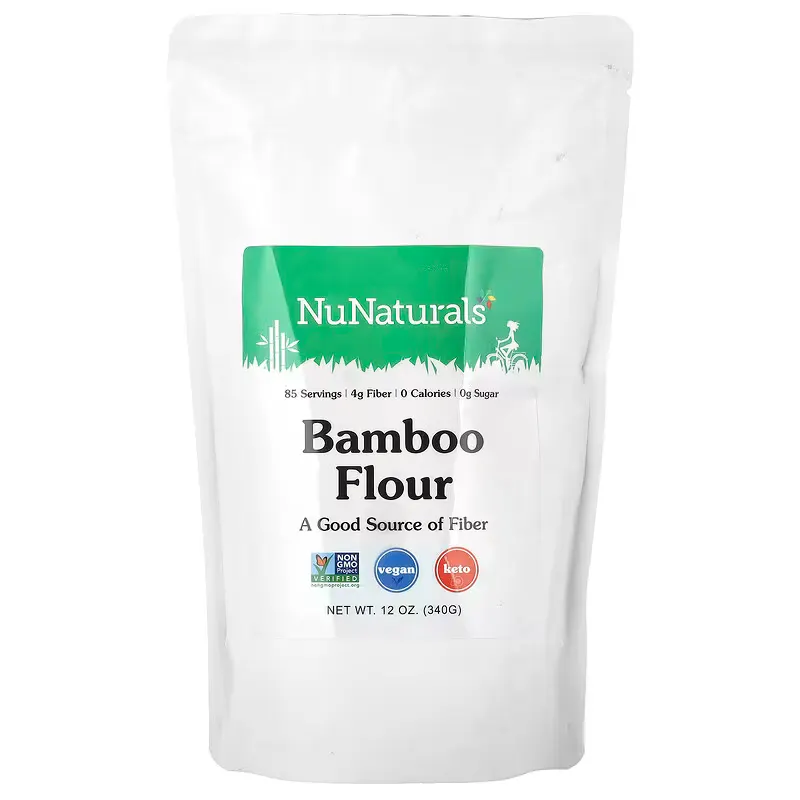
Eiravee Fibre Blend
A fibre-based flour alternative, developed in-house to improve texture and structure in gluten-free baking. The recipe for the Eiravee Fibre Blend can be found on the website.
Plant- based yoghurt
I used The Coconut Collab -Gut Health yoghurt, which is a creamy dairy-free alternative that works well in gluten-free baking. It adds moisture and a slight tang, which can help improve the texture of certain doughs and batters.
If dairy is not an issue, it can be replaced with thick Greek yoghurt, which provides a similar texture and consistency.
Doves Farm Freee Plain White Flour Blend
This is a versatile gluten-free flour blend that can be used in many types of baking, from cakes and biscuits to pancakes and pastry. Its neutral flavour makes it a good base flour for a wide range of recipes.
Apple cider vinegar
Just a small amount of apple cider vinegar helps create a softer, lighter texture and supports the structure of fiber-based bakes. Don’t worry — you won’t taste the vinegar in the finished result.

A quick visual guide to some of the key stages of the recipe, showing how it comes together along the way. For the complete step-by-step instructions, follow the full method below.
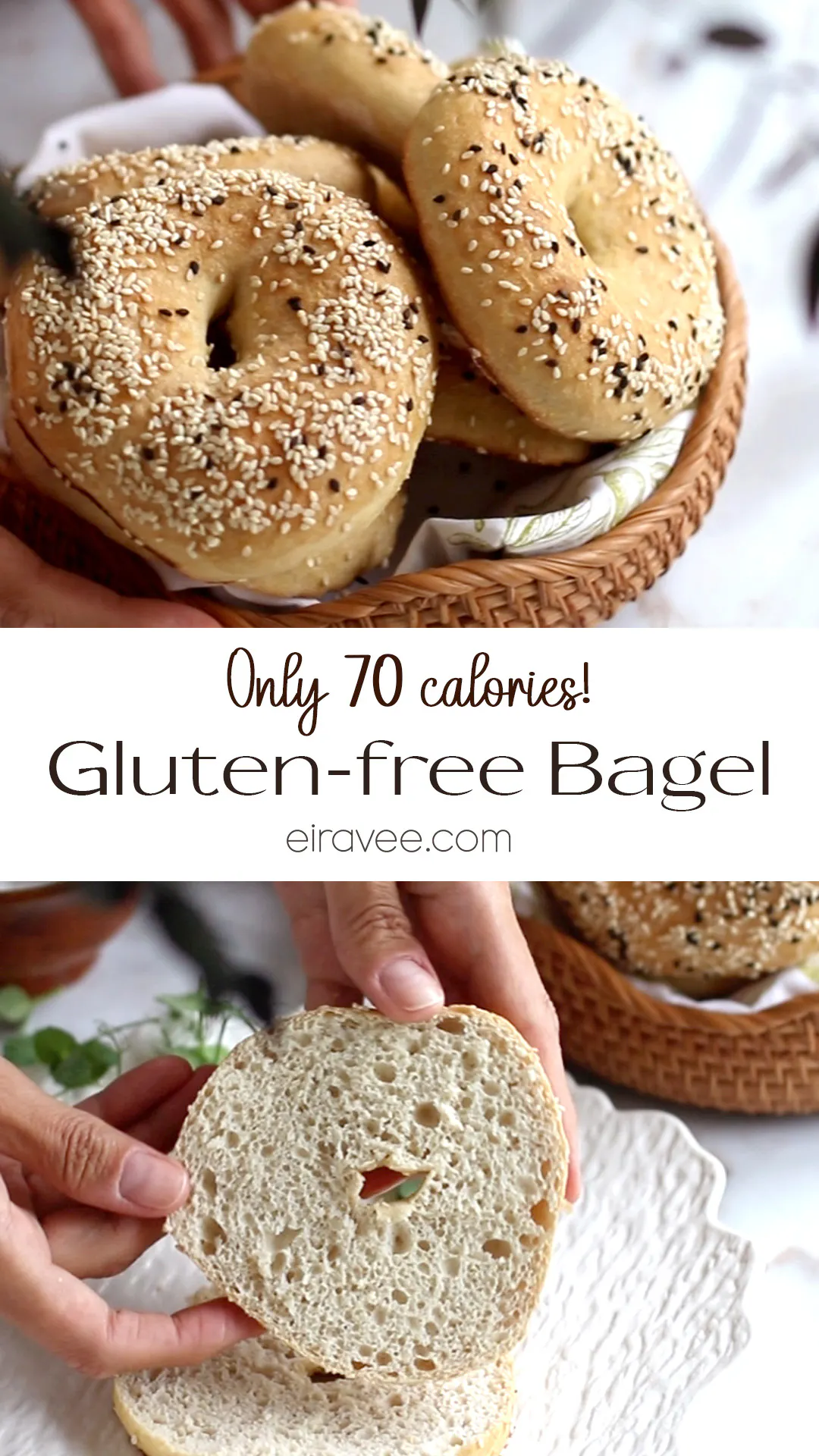
Gluten-Free Bagel
These homemade, gluten-free, dairy-free Protein Bagels are soft, satisfying and wonderfully versatile, with a light, bread-like texture and plenty of fibre. At just 70 calories per bagel, they’re a brilliant lighter option for breakfast, lunch or a quick savoury snack. They freeze beautifully too, and are just as delicious toasted as they are fresh.



- 1 egg (55g)
- 100g egg white
- 200ml warm water
- 50g plant-based yoghurt
- 100g Eiravee fibre blend: Free recipe here
- 50g Freee plain white flour
- 1 tsp salt
- 5g instant yeast powder
- 1 tsp apple cider vinegar
Dissolve the yeast in 2dl warm water with just a pinch of sugar or honey.
In a bowl, whisk together the whole egg, plant-based yoghurt, apple cider vinegar and egg white. Once the yeast mixture has started to froth slightly, add that to your egg mixture.
In another bowl, combine all the dry ingredients, then pour in the egg mixture and quickly bring it all together with a silicone spatula—make sure it's thoroughly combined.
Cover the bowl and let the dough rest for 10 minutes.
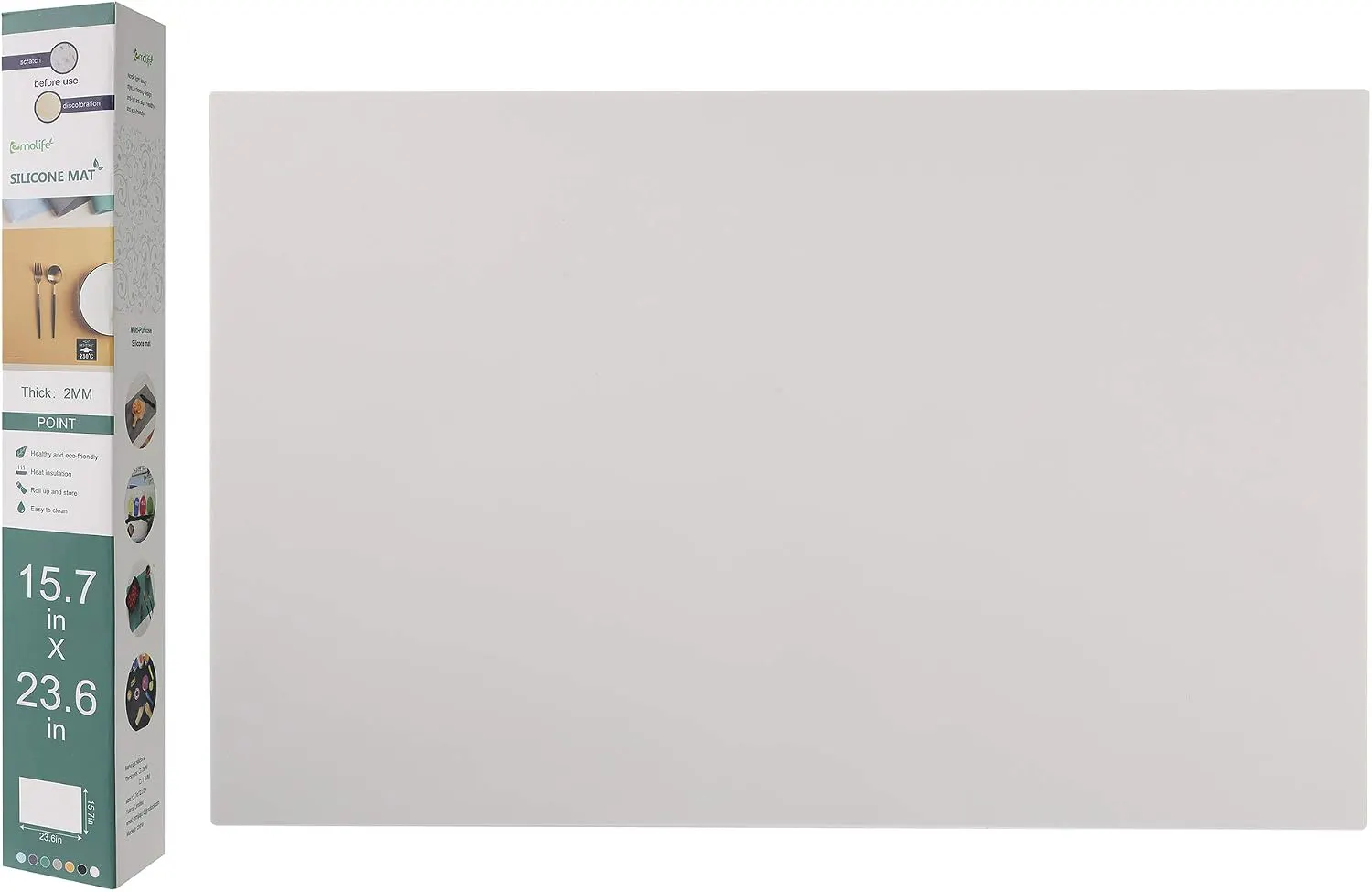
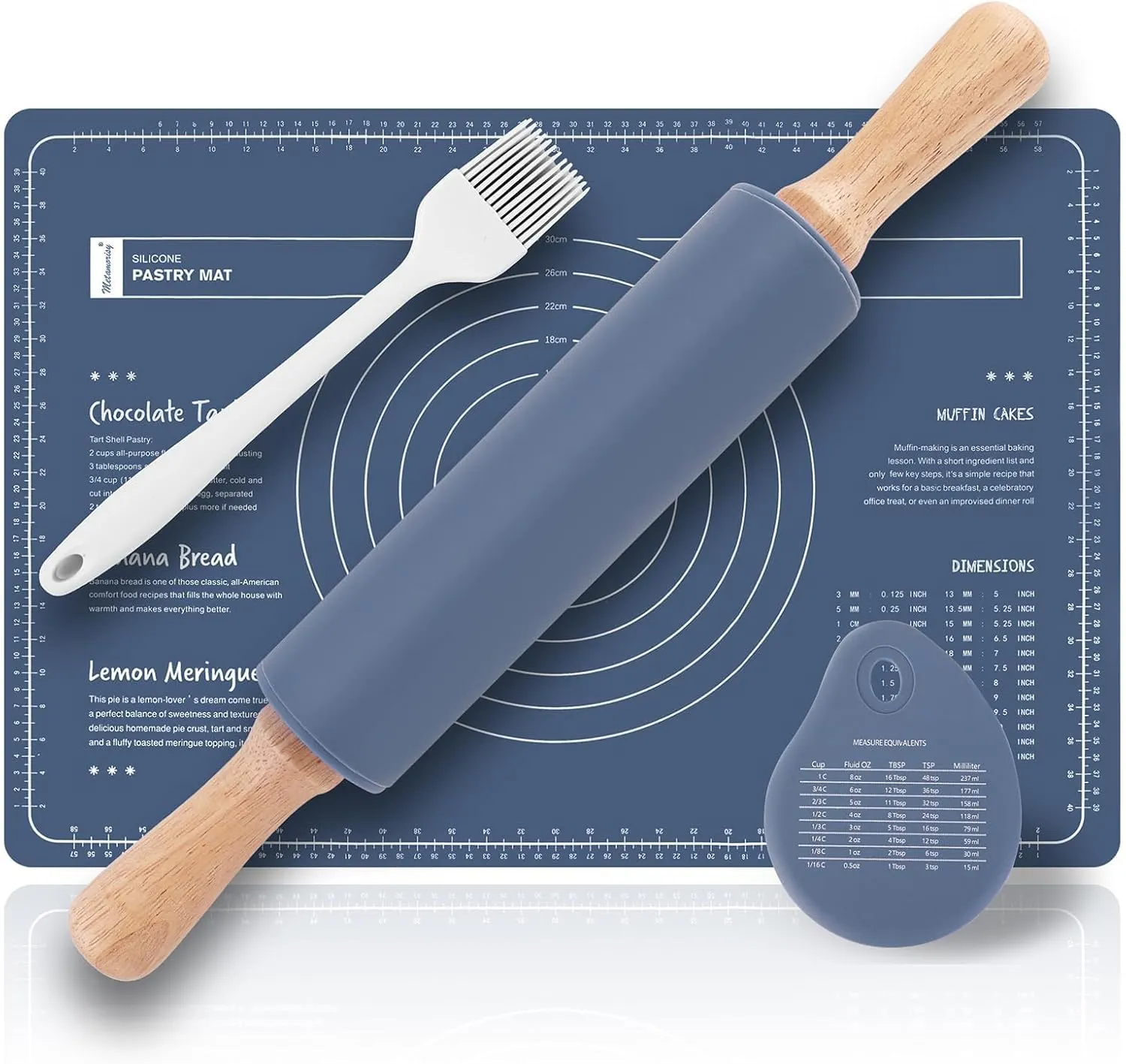
Dust a silicone mat with the fibre blend and tip the dough out onto it. Work the dough by hand for a few minutes until it becomes smooth and comes together nicely (this should take around 2-3 minutes).
Divide the dough into 6 or 8 pieces and shape each one into a bagel or roll.
Place them on a baking tray lined with parchment, cover with a proving bag or tea towel and leave to prove for 30 minutes. Once risen, brush the tops with beaten egg and scatter over seeds if you fancy.
Bake in a preheated oven at 190°C on top and bottom heat for 30 minutes.
Once out of the oven, transfer the bagels to a cooling rack and leave them to cool completely. It's absolutely crucial that you don't cut into them whilst they're still warm—the dough can appear underbaked at this point. This is because the psyllium husk continues to absorb moisture as it cools.
Once cooled, they're ready to eat.
- This recipe is made using a fibre-based flour alternative blend. Nutritional values may vary depending on the specific ingredients used. When increasing fibre intake, it is recommended to do so gradually and ensure adequate fluid consumption.
- Cooling is essential: Leave the bagels to cool completely on a wire rack before slicing. The psyllium husk continues to absorb moisture during cooling, helping the crumb set properly.
- Shaping: Divide the dough into 6 pieces for larger bagels or 8 for smaller ones. You can also shape the dough into simple rolls.
- Handling the dough: Dust your silicone mat and hands lightly with fibre blend if the dough feels sticky. Work it for around 2–3 minutes, until smooth and easy to shape.
- Toppings: Brush with beaten egg before baking and sprinkle with sesame, poppy, sunflower or mixed seeds if you like.
- Storage: Keep at room temperature for up to 1 day or refrigerate for 5–6 days.
- Freezing: Once completely cool, place the bagels in an airtight freezer bag and freeze. Allow them to thaw at room temperature for around 30–60 minutes before serving.
- Serving: For a bagel with crisp edges, slice and pop it in the toaster before serving.
Nutritional values per piece
Energy (Kcal): 64,6
Fat: 1.3 g
Protein: 2.5 g
Carbohydrates: 5.5 g
of which sugars: 0.1 g
Fibre: 10.6 g
Looking for an ultra-low-carb bagel recipe? Click here to find it in my book, along with plenty of other delicious low-carb recipes.
Please note that these values are for reference only, as ingredient variations may lead to differences in nutritional content. We recommend considering this when preparing the recipe.
Tried this recipe?
Tag @eiravee_uk on Instagram!