



There's something special about baking a proper loaf of bread at home, especially when it's gluten-free.
After years of experimenting with gluten-free baking, I wanted to create a loaf that looked and felt like traditional bread, with a beautifully golden crust, a soft, satisfying crumb and slices that hold together properly.
This recipe combines my Eiravee Fibre Blend with gluten-free flour to create a bread that's rich in fibre without being overly dense or heavy. It's made with everyday ingredients, requires no sourdough starter and doesn't involve hours of preparation.
Whether you're making sandwiches, enjoying a slice of toast or serving it alongside your favourite soup, this is the kind of bread you can happily come back to every day.


About the ingredients used in this recipe
Eiravee Fibre Blend
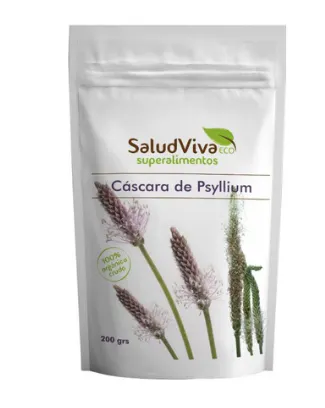
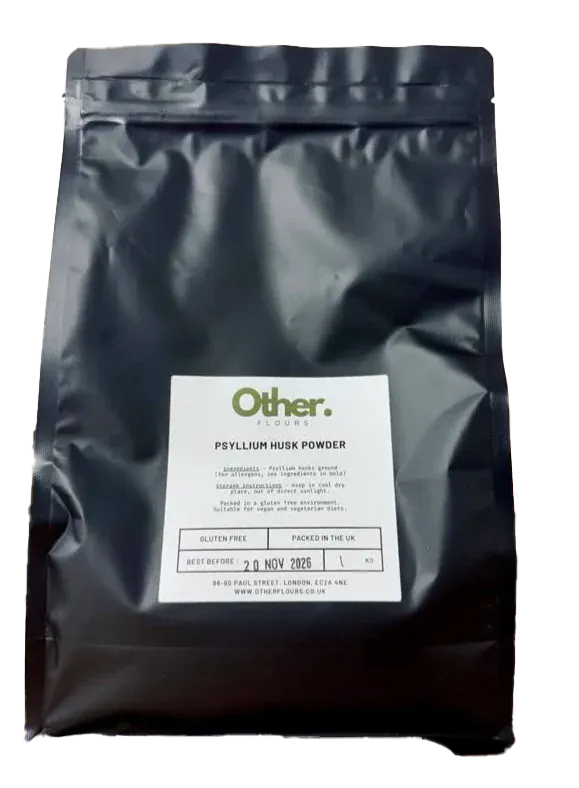
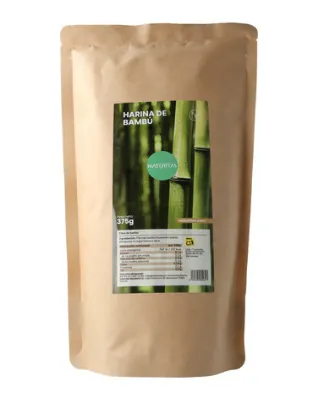
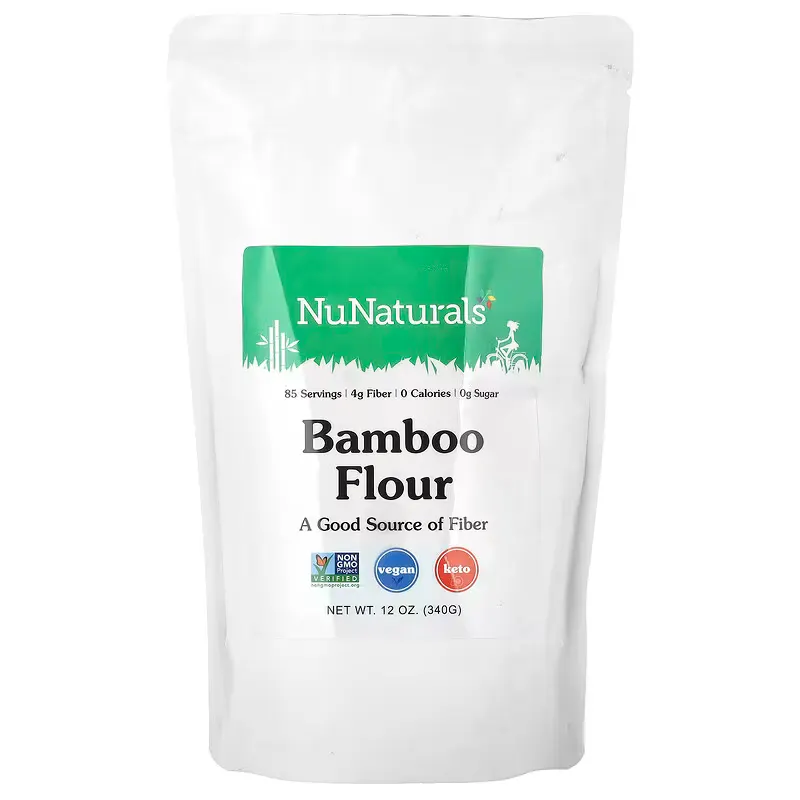
The Eiravee Fibre Blend is the key to this recipe's texture. Made with bamboo fibre and psyllium husk, it absorbs moisture and helps create structure in gluten-free dough, allowing the bread to hold its shape while keeping the crumb soft.
You can find the recipe for my Eiravee Fibre Blend in the Core Blends section, completely free.
For consistent results, I recommend using the same ingredients and proportions, as different fibre products can behave quite differently in baking.
Gluten-Free Plain White Flour
I use FREEE Plain White Flour in this recipe. It provides the starches needed to balance the high fibre content, helping the bread develop a softer, more familiar texture.
This recipe has been developed using this particular flour blend, so substituting another brand may affect the result.
Eggs
Eggs help bind the ingredients together and provide additional structure, moisture and softness.
I use medium-sized eggs in my baking unless otherwise stated.
Plant-Based Yoghurt
A little plant-based yoghurt adds moisture and helps keep the crumb soft and tender.
Choose a plain, unsweetened variety to avoid introducing unnecessary sweetness or flavour.
Instant Dried Yeast
Yeast gives the bread its familiar aroma and helps create a lighter, airier texture.
Although this isn't a sourdough recipe, the yeast still provides a gentle rise and that comforting, freshly baked bread flavour.
Apple Cider Vinegar or Lemon Juice
A small amount of apple cider vinegar or lemon juice adds acidity to the dough and can help support its overall texture.
Don't worry — you won't notice the flavour in the finished bread.

A quick visual guide to some of the key stages of the recipe, showing how it comes together along the way. For the complete step-by-step instructions, follow the full method below.
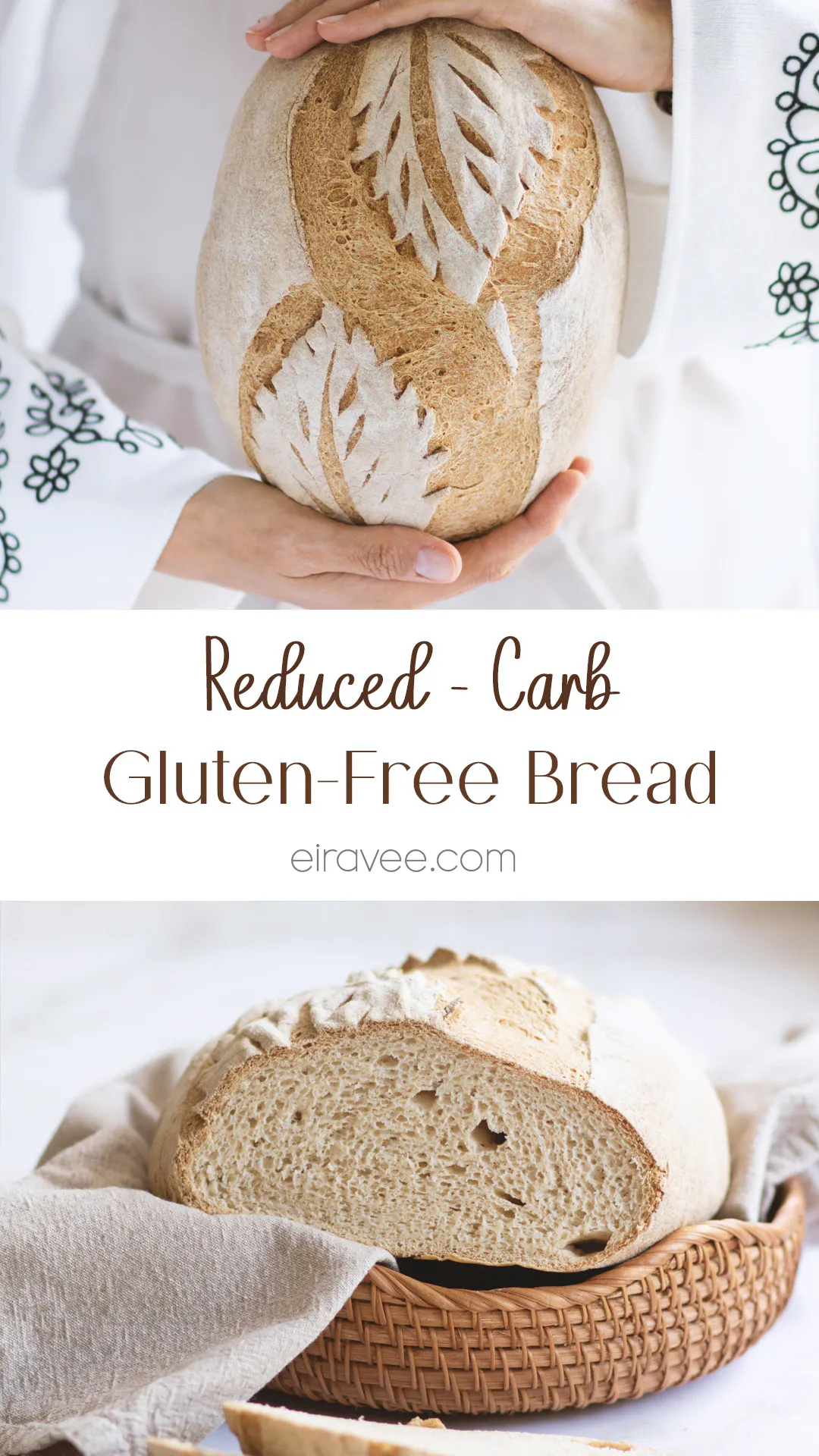
Gluten-Free High-Fibre Bread
A beautifully crusty, soft-centred gluten-free loaf, made with a fibre-rich blend for a lighter take on everyday bread.



- 3 whole eggs
- 150g Eiravee Fibre Blend - free recipe!
- 150g Freee Plain white flour
- 50g plant-based yoghurt
- 400ml warm water
- 10g instant dried yeast
- 1 tsp apple cider vinegar
- 1 tsp salt
Stir your yeast into 200ml of water with just a touch of honey or a pinch of sugar and leave it to become nice and foamy.
Whisk together your eggs, the remaining 200ml of water and the plant-based yoghurt in a bowl.
In another bowl, thoroughly combine the Eiravee fibre blend, flour and salt.
Once your yeast is bubbling nicely, pour it into the egg mixture, then fold in all your dry ingredients using a spatula until everything comes together. Cover and set aside for 10 minutes.
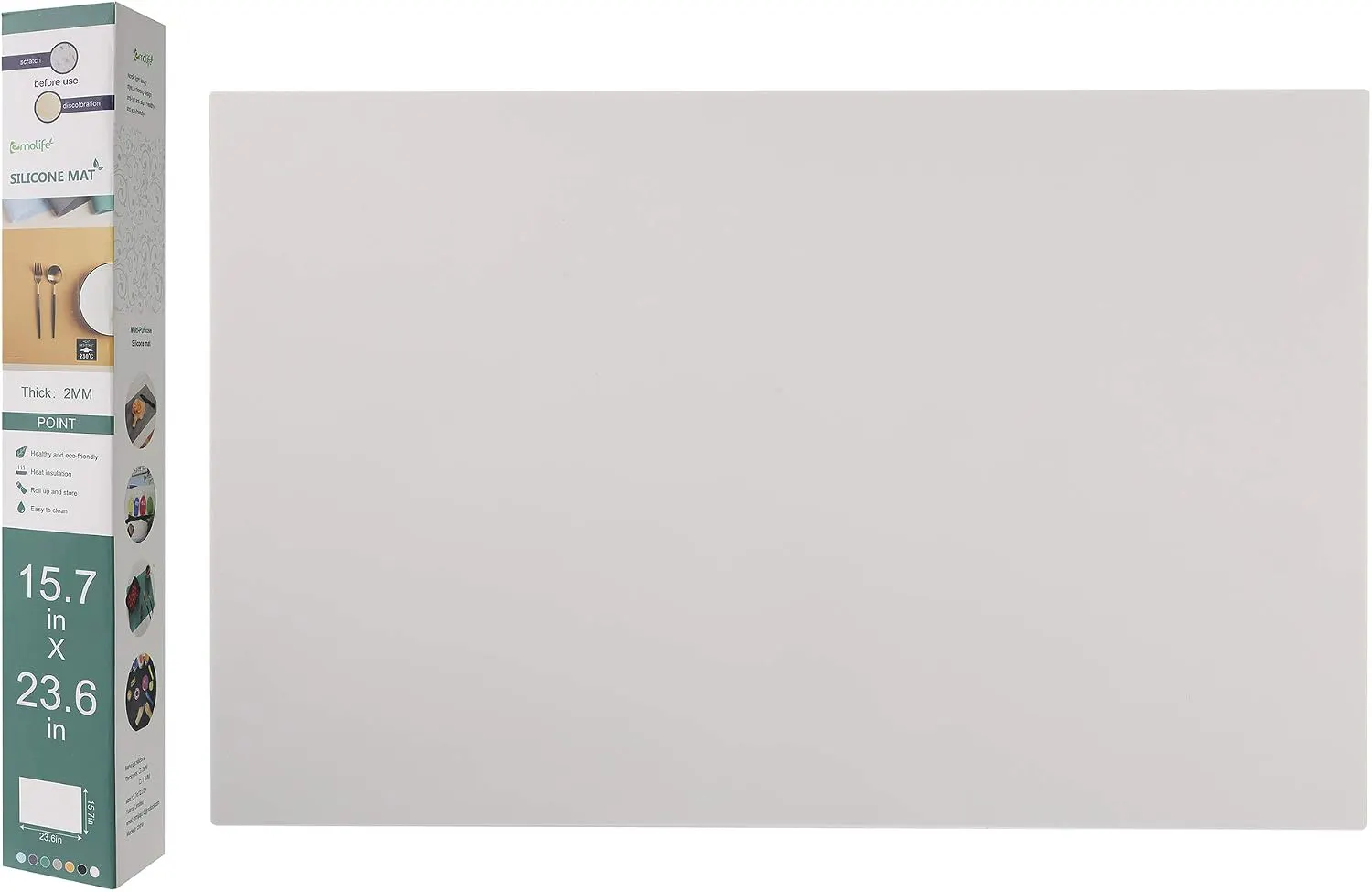
Turn the dough onto a lightly floured silicone mat and give it a good knead by hand until it's well combined.
Shape it into an oval or round loaf and prove in a proofing basket for 30-35 minutes at room temperature.
Preheat your oven and baking tray to 200°C with the fan on. Turn the bread onto baking paper and score the top lightly. Carefully transfer the hot tray from the oven, place the baking paper with your loaf on top, and pop it into the lower part of the oven.
Bake at 200°C fan-assisted for 60 minutes.
Allow the bread to cool completely on a rack—this is really important, as the fibre continues working whilst warm, so slicing it warm might give an unfinished texture.
A Few Helpful Tips
Measure your ingredients carefully. Fibre-based baking relies on accurate proportions, particularly when it comes to the balance between dry ingredients and liquids. I always recommend using a digital kitchen scale for the most reliable results.
Give the dough time to rest. The 10-minute resting period allows the psyllium and bamboo fibre to absorb moisture, making the dough easier to handle and shape.
Don't expect traditional wheat dough. Gluten-free, fibre-rich dough behaves differently from conventional bread dough. It may feel softer and less elastic, but that's perfectly normal.
Keep an eye on the proving time. Around 30–35 minutes is usually enough, depending on the temperature of your kitchen. The dough should look slightly risen, but it won't necessarily double in size.
Allow the bread to cool completely. This is especially important with fibre-rich bread. The crumb continues to firm up as it cools, and cutting into it too early can leave the centre feeling slightly damp or gummy.
For the best texture, slice the bread once it has fully cooled. It's lovely fresh, but it also makes excellent toast, especially after a day or two.
Storage
This bread is best enjoyed fresh on the day it's baked, but it also stores well for later.
Keep it in an airtight container at room temperature for up to a day, or refrigerate for around 5–6 days.
For longer storage, I recommend freezing it in slices. Place small pieces of baking parchment between the slices to prevent them from sticking together, then transfer them to a suitable airtight container or freezer bag.
When you're ready to enjoy a slice, simply leave it at room temperature for around 30–60 minutes, or toast it straight from frozen.
For the best quality, use frozen bread within 2–3 months.
Per Serving Nutrition (1 of 14 servings)
- Calories: 72.5 kcal
- Protein: 2.0 g
- Carbohydrates: 8.8 g
- Fat: 1.3 g
- Fiber: 9.1 g
- Sugar: 0.1 g
Please note that these values are for reference only, as ingredient variations may lead to differences in nutritional content. We recommend considering this when preparing the recipe.
This recipe is made using a fibre-based flour alternative. Nutritional values may vary depending on the specific ingredients used. When increasing fibre intake, it is recommended to do so gradually and ensure adequate fluid consumption.
Tried this recipe?
Tag @eiravee_uk on Instagram!