Preparation tools
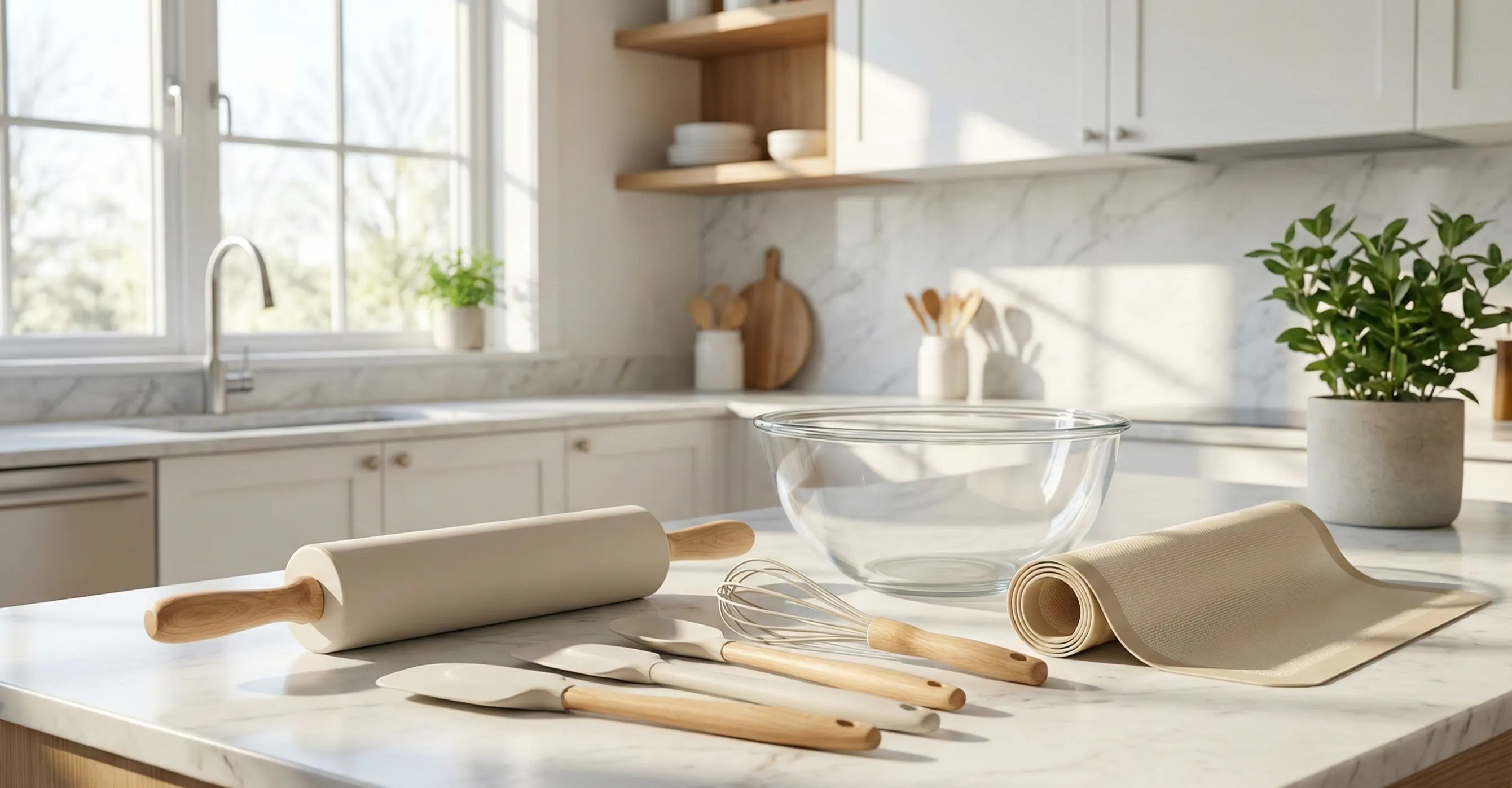
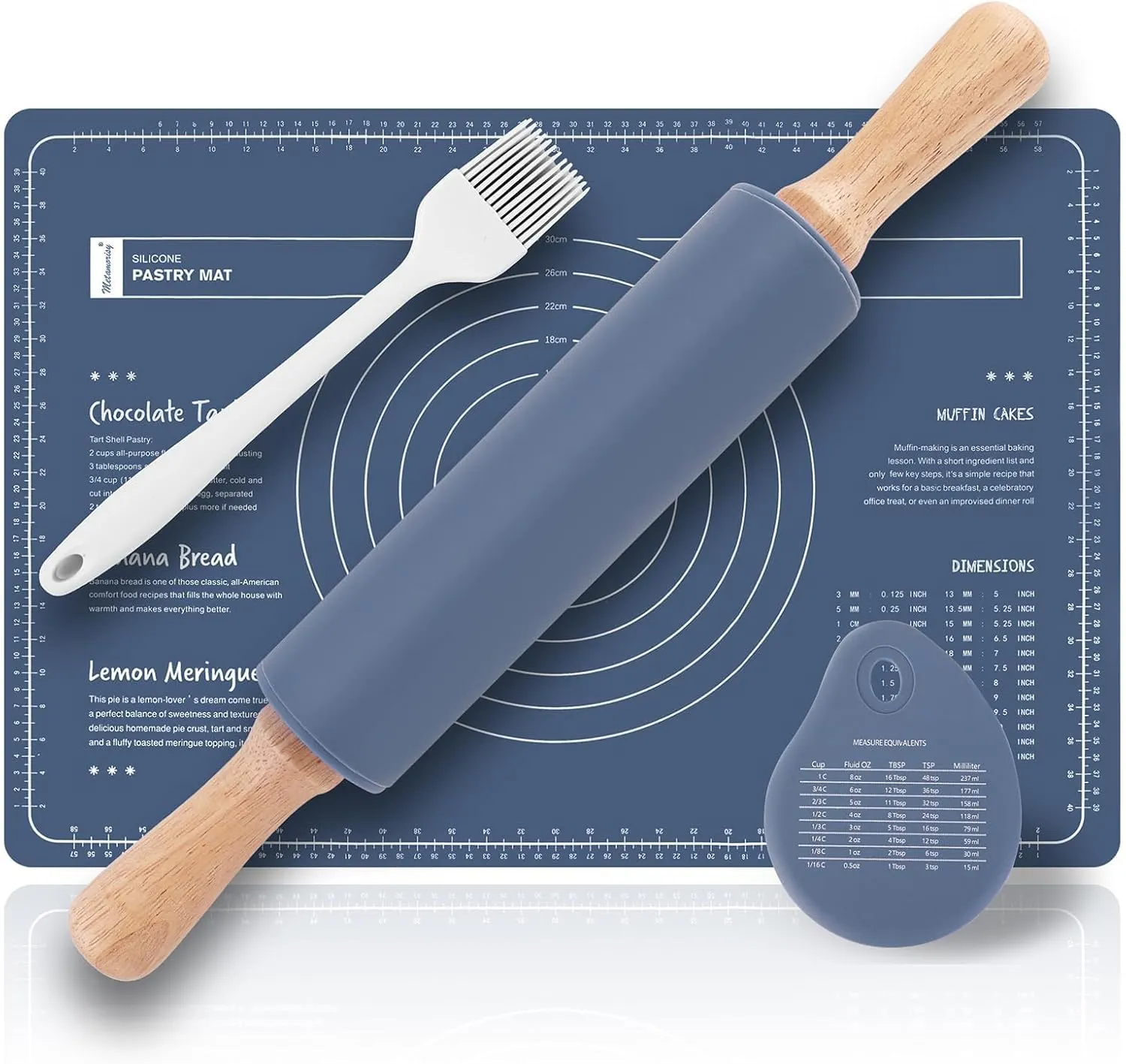
When working with gluten-free doughs — especially fibre-based doughs — I strongly prefer using silicone tools.
Gluten-free doughs are often softer and more delicate than traditional doughs, and can also be slightly sticky. Silicone tools make handling much easier and more controlled.
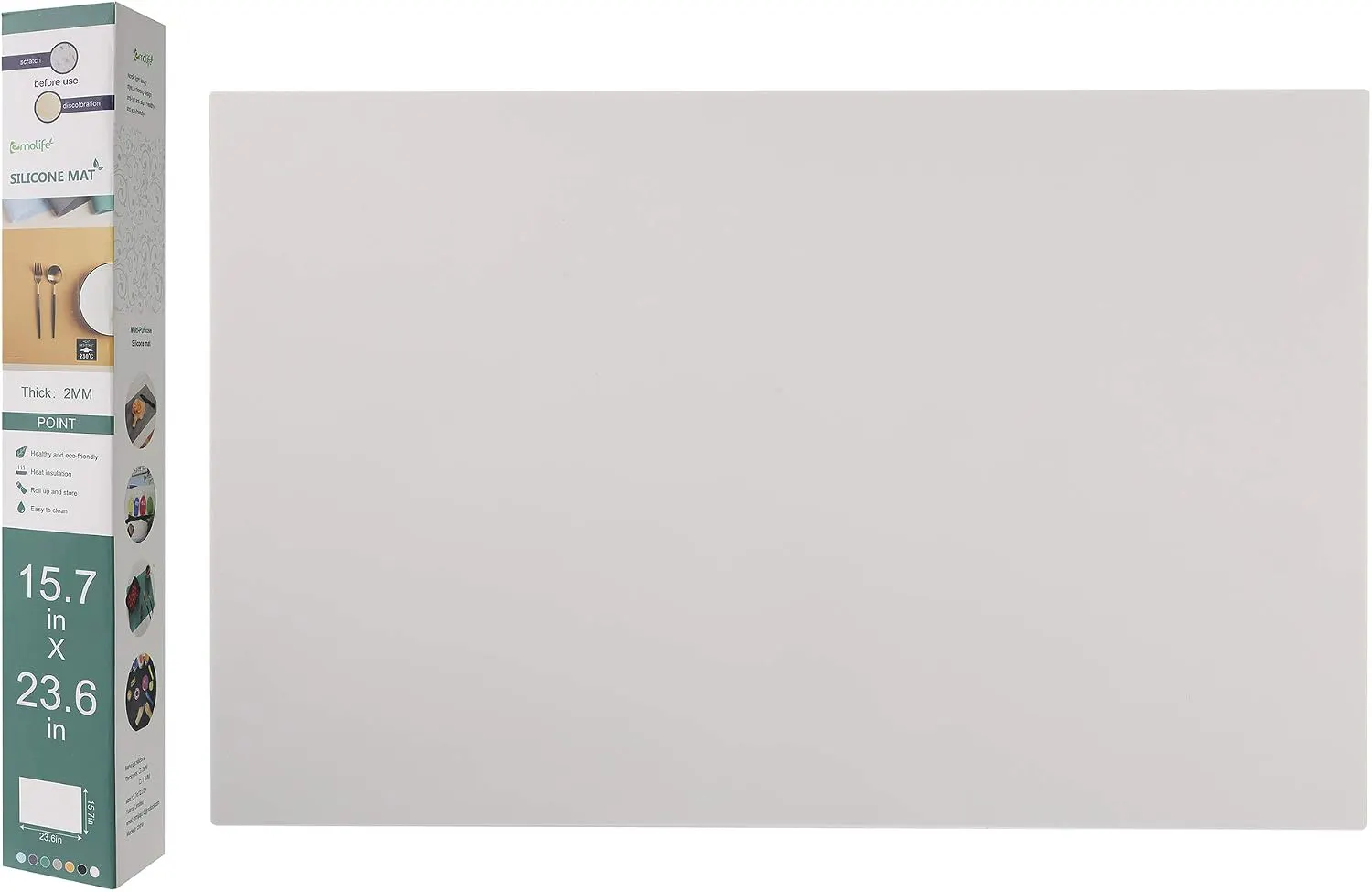
A silicone rolling mat is particularly useful, as it reduces sticking and often requires less flour compared to other surfaces. This helps maintain the intended texture of the dough.
A silicone spatula is also essential, especially when working with fibre blends, as it allows for quick and efficient mixing before the fibres absorb too much liquid.
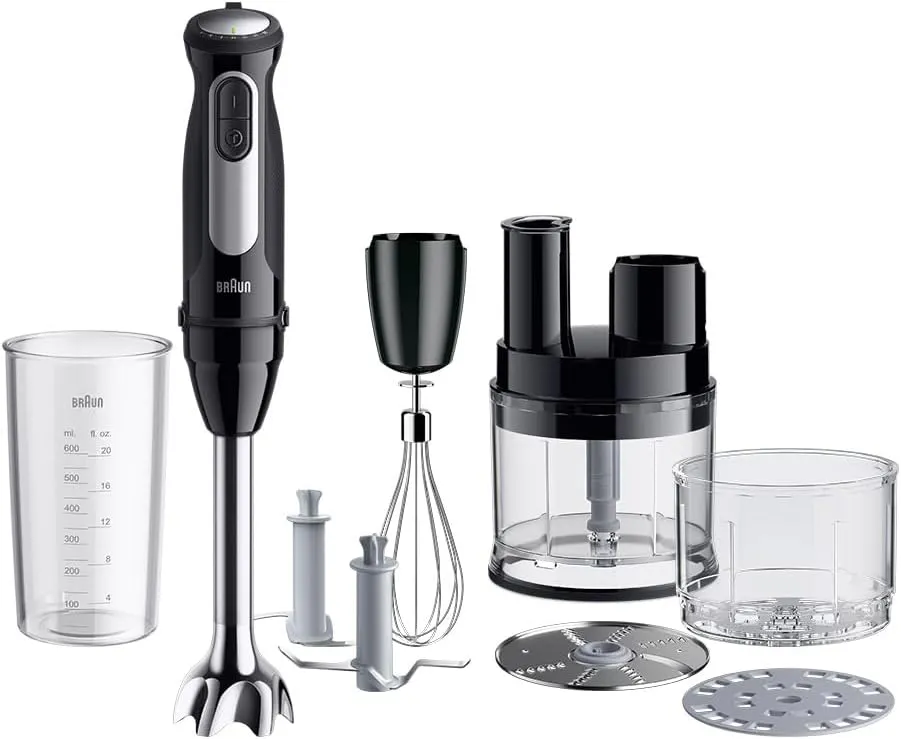
For mixing wet ingredients, I prefer using a cordless electric hand whisk. It is compact, easy to handle, and creates a smooth, uniform mixture with minimal effort.
Mixing bowls
I generally prefer glass bowls over plastic, as they are more stable, easy to clean and do not retain odours.
However, when using a more powerful mixer — for example when whipping creams — I tend to reach for plastic bowls, as they are lighter and more practical to handle during high-speed mixing.
Baking equipment
When using metal baking tins, it is recommended to either line them with baking paper or grease and flour them lightly to prevent sticking.
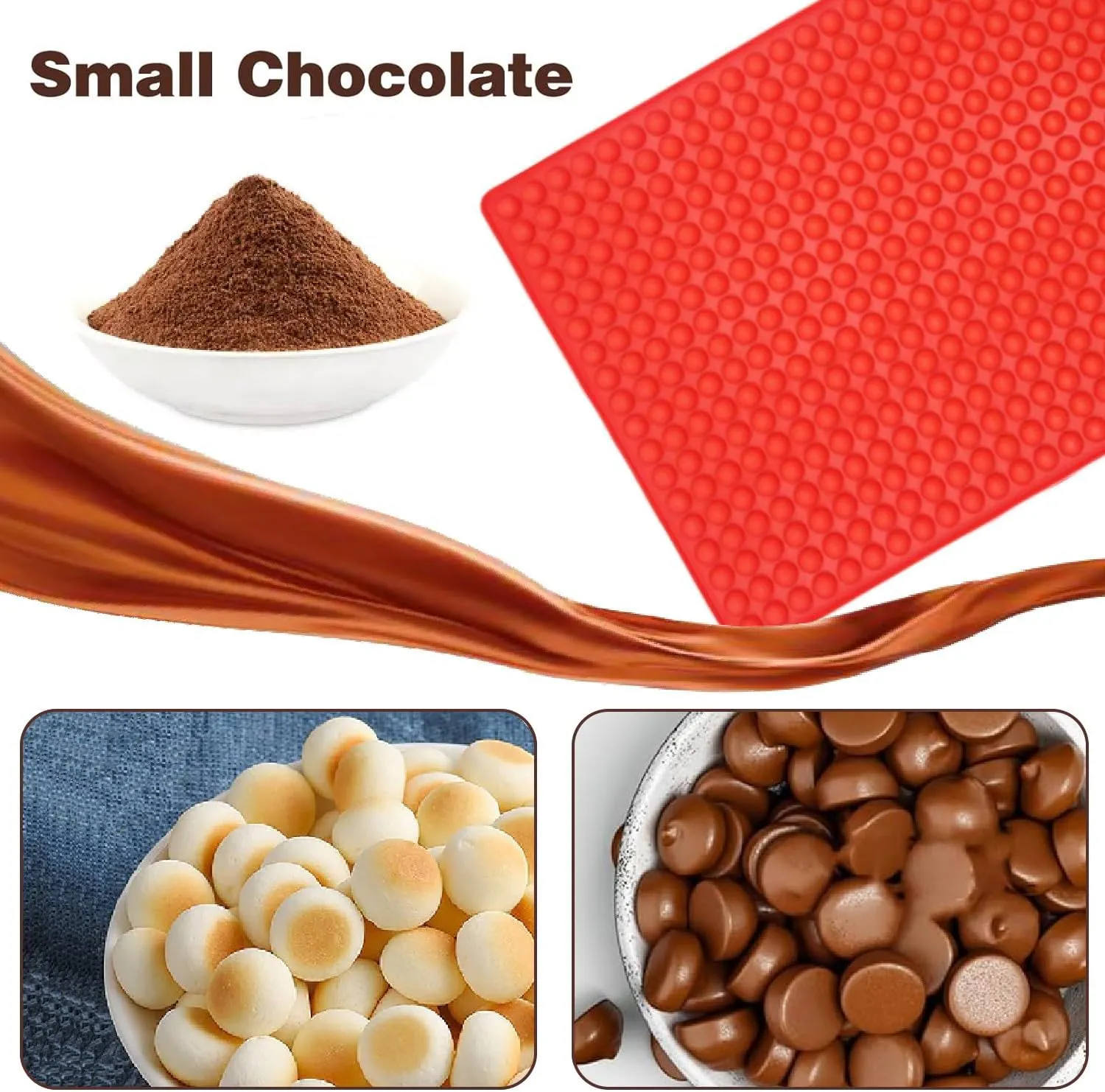
Silicone baking moulds, on the other hand, usually do not require greasing.
However, it is important to choose high-quality silicone products. Before first use, wash the mould by hand, dry it thoroughly, and heat it in the oven at a high temperature for 10–15 minutes. This helps prepare the surface for safe and effective use.
Ovens
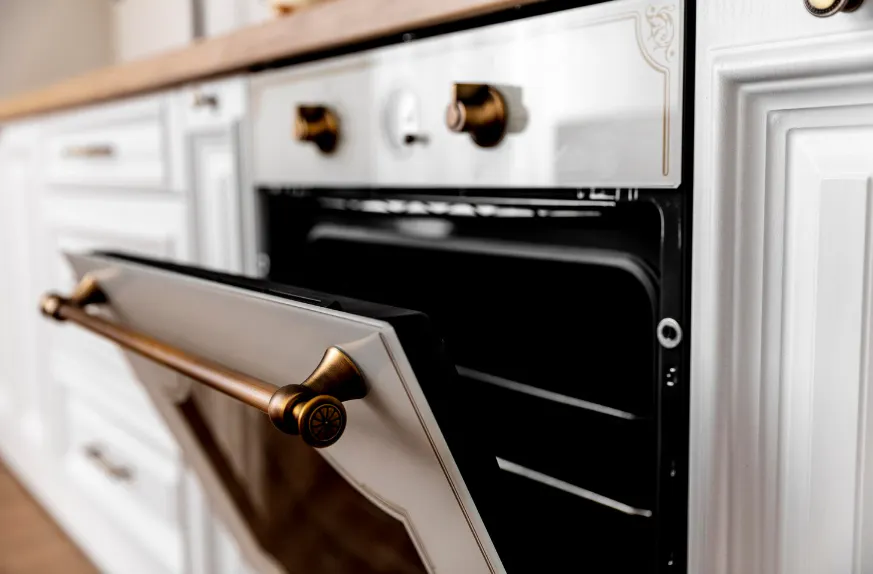
Most recipes are developed for conventional ovens, typically using top and bottom heat or fan-assisted settings.
Keep in mind that every oven behaves differently. Baking times and temperatures may vary.
If you know your oven runs hotter, reduce the temperature slightly. If it runs cooler, you may need to increase the temperature by around 5–10°C.
Air fryer
Some recipes can also be prepared in an air fryer — this will be indicated where relevant.
However, baked goods tend to dry out more quickly in an air fryer, and cooking times are usually shorter. Adjust accordingly and monitor closely during baking.
Microwave
Certain recipes — especially smaller, quick bakes — are specifically designed for the microwave.
If you choose to bake these in a conventional oven instead, be aware that they will require a longer baking time, and the final texture may differ.
For microwave baking, I prefer using glass dishes. Always ensure that the container is suitable for microwave use.
You can find my favourite tools in the “Products I Trust – Gluten-Free Baking Tools” section.





 way


